We are thrilled to announce our 2026 speaker lineup! These sessions are going to be extraordinary — from Tudor court intrigue to the science of John Dee to the hidden Jews of the Tudor court. Check back as we finalize the schedule closer to the event.
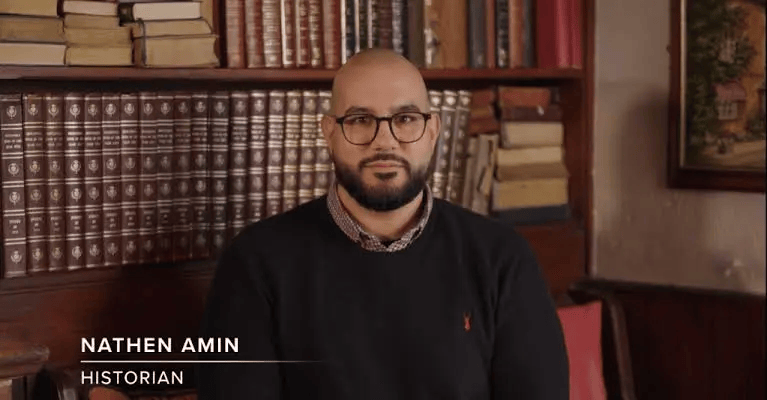
Nathen Amin
Nathen Amin is an author and Fellow of the Royal Historical Society from Carmarthenshire, West Wales, who focuses on the 15th Century and the reign of Henry VII. He has written five non-fiction history books; ‘Tudor Wales’ (2014), ‘York Pubs’ (2016). ‘The House of Beaufort: The Bastard Line that Captured the Throne’ (2017), ‘Henry VII and the Tudor Pretenders: Simnel, Warbeck and Warwick’ (2021) and ‘Son of Prophecy: The Rise of Henry Tudor‘ (2024), which was named a BBC History Book of the Year. He also contributed the essay on Henry VII to ‘Kings & Queens: 1200 Years of English and British Monarchs’ (2023).
Nathen is an experienced public speaker, having presented more than one hundred lectures to societies, museums and book festivals across the UK, including BBC History Weekend, Windsor Castle, HistFest, Southwark History Festival, Warwick Words, British Museum, Gloucester History Festival, Cirencester History Festival, Alison Weir Tours, Lichfield Literature Festival, Oundle Festival of Literature, Lancaster Historical Writing Festival, Bosworth Medieval Festival, and Barnet Medieval Festival.

Barbara Barnett
Long before they were written down, the ballads we now call the Child Ballads were living songs — performed, reshaped, and shared across Tudor England and Scotland. Through history, audio clips, live performance, and optional sing-along, we’ll explore ballads like The Cruel Mother, Barbara Allen, and Tam Lin — songs of love, murder, betrayal, and the supernatural that resonated deeply in the Tudor imagination. We’ll trace how these stories crossed borders, survived centuries, and were reinterpreted by British rock bands along the way.
England officially expelled its Jews in 1290 — but this pop-history talk explores the hidden (and sometimes not-so-hidden) Jewish presence at the Tudor court. Royal physicians, court musicians, Converso merchants, financiers, and intelligencers from Spain and Portugal helped make England competitive in trade, navigation, and espionage. By telling the stories of people who lived and worked in the shadows of power, this session invites conversation, curiosity, and shared discovery.

Sarah Dell
The Spanish Inquisition prosecuted thousands of cases across Western Europe over hundreds of years. When Mary Tudor took the throne, she instituted her own, smaller inquisition to return her people to the Catholic faith — using similar methodology, yet meeting great resistance. Why did it fail where Spain’s succeeded? This session digs into the legal differences, the implementation challenges, and the political forces that ultimately doomed Mary’s Counter-Reformation.

David Dishner
Diagnosing a Tyrant: the many theories behind his transformation.
This talk puts the competing historical and medical theories on the table: genetic disease, hormonal disorder, psychiatric disorder, childhood trauma, repeated head injuries. Then it asks which of them, if any, actually explains the timing of Henry’s transformation. Drawing on primary sources and retrospective diagnostics, David builds toward a multi-causal framework for understanding one of history’s most infamous personality changes.
It also features a ballistic-gel demonstration of the forces behind sub-concussive, concussive and traumatic brain injury, and works through the physics of the 1536 jousting accident that history says changed a king.
“Come with your own theory. Leave with a better question.”
Krista Everson
This talk explores a topic long shrouded in silence: miscarriage and its social consequences in Tudor England. How did superstition, stigma, and gendered expectations shape women’s lives? Focusing on Anne Boleyn — whose miscarriages and failure to produce a male heir contributed to her political vulnerability and eventual execution — this session interrogates medieval beliefs about women’s bodies, and asks how far these ideas continue to influence modern attitudes toward miscarriage, empathy, and women’s health.

Frederic Fahey
In October 2024, Frederic published The Scoundrel’s Son — a debut Tudor novel telling the tragic ends of Edward VI and Lady Jane Grey through the eyes of Tom Canty, the pauper from Mark Twain’s The Prince and the Pauper. In this session, he’ll share the full adventure: how he wrote the story, found a publisher, worked with artists on the cover, and got the novel in front of readers. Informative, helpful, and genuinely entertaining.

Terry Jones
Session title to be confirmed — Terry will be presenting one of the following talks. We will update this page once the schedule is finalized:
- Execution, Imprisonment, and Exile: The High Price of Royal Connection
- The Wanderer: The Journey of a Precious Tudor Wedding Jewel
- A Fortune in Jewels for a Doomed Queen
- Two Weddings and a Funeral: The Tragic Connection Between Two Agecroft Brides

Carol Ann Lloyd
Women are outnumbered in Shakespeare, often have fewer lines, and some of them give speeches that will set your hair on end. But here’s the truth: some of Shakespeare’s heroines are total rockstars. What really happened in that tomb in Romeo and Juliet? Why was it such a big deal for Benedick to believe Beatrice? What did Isabella actually say in Measure for Measure? This is a fresh, joyful look at Shakespeare’s heroines — women who speak their minds, defy their parents, and choose their own husbands in ways that were frankly shocking in the sixteenth century.
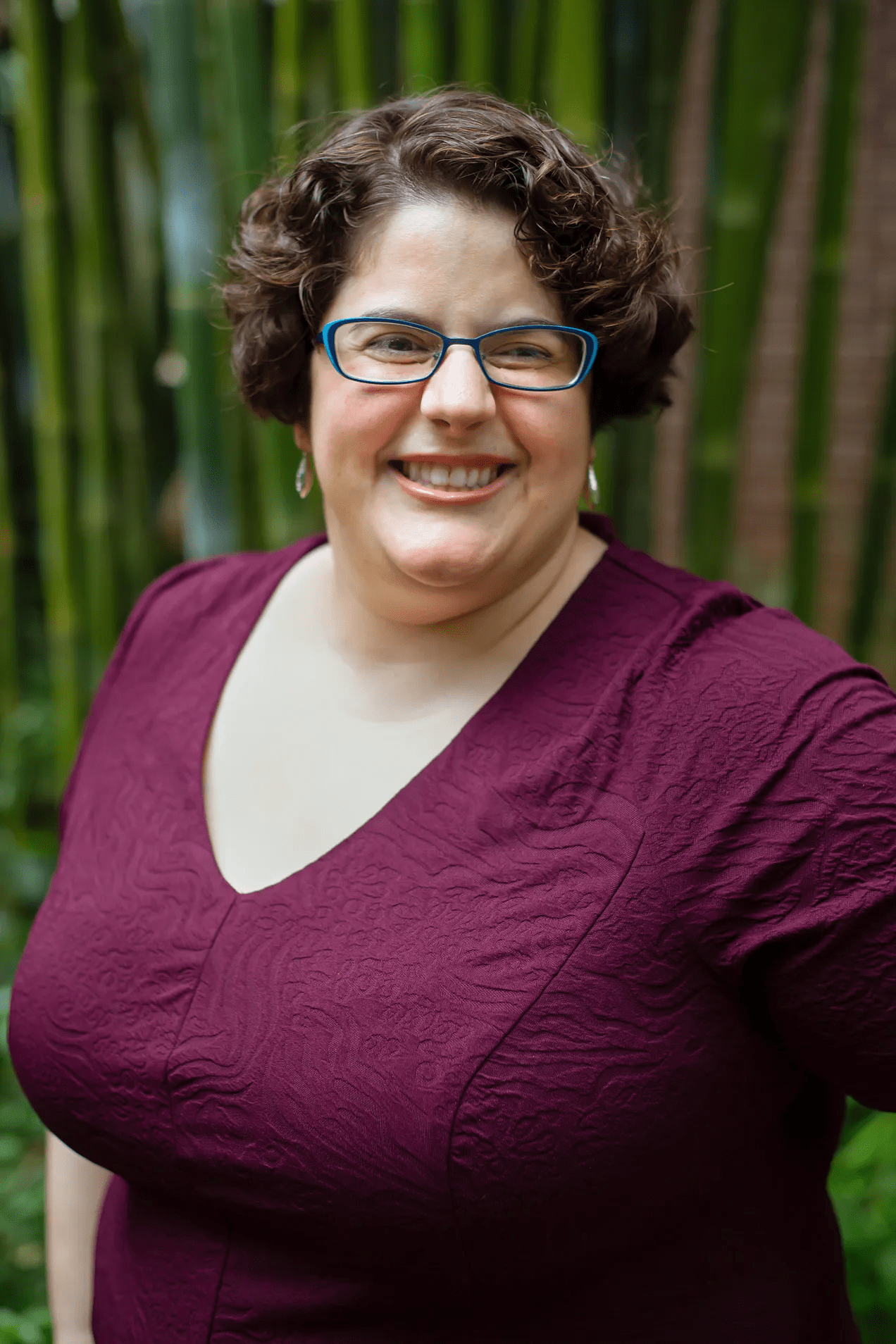
Emily Michael
If you traveled back in time to the Tudor court, would you understand the King’s English — or the Queen’s? We’ve all read Wyatt and Shakespeare, but we know the actors of Wolf Hall speak distinctly modern English. This talk explores the exciting life of the English language, from its Germanic roots in Beowulf to the culturally rich language of Shakespeare and Queen Bess — and how German, French, and Latin each gave English a distinct color that survives into everyday usage today.

Christine Morgan
Religious reform is not a subject usually associated with Mary Boleyn — and yet elements of reform run through her early life and her tenure as royal mistress. This talk explores how her education in France, her advocacy, and her rhetoric reveal a woman shaped by shifting attitudes at court. By reassembling the known events of her life and analyzing the religious currents of the age, we can understand Mary Boleyn’s motivations both as a Christian woman and as a figure navigating one of history’s most dangerous courts.

Kelly Parker
Before envelopes existed, letterlocking — intricately folding and sealing a letter so it couldn’t be opened without leaving evidence — was how the Tudors kept their secrets. This session unpacks common Tudor methods (slit-and-tuck, double-folds, wafer seals impressed by signet rings), traces examples from personal correspondence to State Papers, and shows how the technique shaped privacy, politics, and espionage in the courts of Henry VIII and Elizabeth I. With references from the Cecil and Walsingham archives, this is a surprisingly gripping corner of Tudor history.
Katharine Sands
A literary agent explores the world of Tudor-era publishing — from the rise of the printing press to Shakespeare’s first folios. Attendees will discover how books were written, printed, and sold in Tudor England, and how Shakespeare and his contemporaries shaped literature in the Tudor era.

Shannon A. Smith
Death was stitched into the fabric of daily life in Tudor England. From the scaffold to the sickbed, from royal funerals to parish churchyards, the Tudors lived with mortality in ways that were both public and deeply personal. Drawing on letters, wills, execution accounts, and devotional texts, this talk explores what it meant to die “well” in the sixteenth century — how families prepared, how grief was expressed across social classes, and how religion, ritual, and community structured mourning in an age of plague, risky childbirth, and political violence.

Victoria C. D. Thompson
Born in Suffolk in 1571, Bartholomew Gosnold looked set for a comfortable life in law — until he became a privateer under the patronage of the Earl of Essex. In 1602, he captained a ship to the Massachusetts coast, where he named Martha’s Vineyard and Cape Cod. Then he began the biggest quest of his life: establishing a permanent English foothold in America. That became Jamestown. This talk illuminates Gosnold’s largely forgotten story and reestablishes the Elizabethan roots of Colonial Virginia.

Tiffany Brown
How did the Tudors understand the natural world — and how did they demonstrate it? This session explores natural phenomena as understood in the Tudor era, with an attempt to reconstruct a typical John Dee lecture, including live demonstrations: tracking the movement of the sun to mark the passage of time, illustrating geometric concepts using movement and a dance ribbon (as Dee used a long pennant flag), and exploring the art of perspective through the camera obscura and the “Claude glass.” Witchy, wizardly, and completely TudorCon.

Denise Williams
You may have seen this dress at Agecroft Hall — Denise Williams constructed her recreation of Elizabeth I’s iconic Pelican Portrait gown herself, over seven years, and it is currently on display at the venue. In this session, she’ll share the extraordinary knowledge she gained along the way: the research, the construction techniques, and the deeply satisfying obsession that takes you from “I’d like to make a Tudor dress” to “I have recreated one of the most famous portraits in English history.”

Janet Wertman
Talk title and topic TBD — but if you’ve been to TudorCon before, you already know Janet delivers. She stepped in to give a full talk on Eustace Chapuys with ten minutes’ notice when a speaker canceled last year. She has been a cornerstone of this community since day one. Session details coming soon.
Schedule and session times coming soon. More speakers may be announced — check back!

More or Less Morris
Here’s something I’m ridiculously excited about: our Friday night party at Agecroft is opening with actual Morris dancers. More or Less Morris are Richmond’s own side, and they’ve been leaping, clashing sticks, and jingling their bells around town since 1979. If you’ve never seen Morris dancing up close, you’re in for a treat. It’s one of the oldest folk traditions in England, going all the way back to medieval times, and it was danced to celebrate the changing seasons and to make the crops grow. (Tradition says the crops will grow as high as the dancers can leap, which I love.) They perform in these incredible ribboned coats with bells strapped to their shins, and it is loud, joyful chaos in the very best way. Come ready to clap along.